
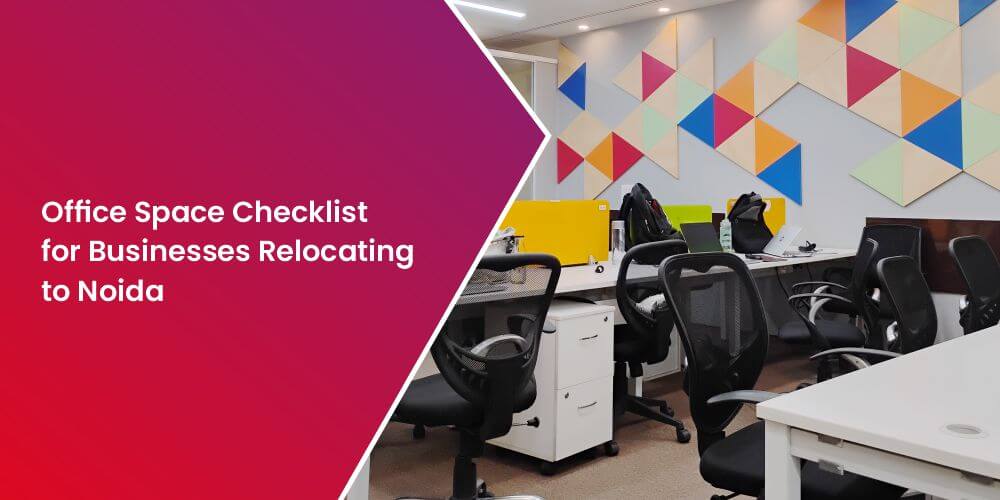
Everything You Need to Plan Before Moving Your Business to Noida
Relocating your business is more than just changing an address-it’s a strategic decision that can influence productivity, talent acquisition, operational efficiency, and long-term growth. As businesses across Delhi NCR continue to seek cost-effective and growth-oriented locations, Noida has emerged as one of India’s most preferred commercial destinations.
With world-class infrastructure, excellent metro connectivity, thriving business districts, and a growing startup ecosystem, Noida offers an ideal environment for companies looking to establish or expand their presence. However, a successful office relocation requires careful planning. Overlooking critical factors such as location accessibility, office infrastructure, scalability, and operational costs can lead to unnecessary expenses and disruptions.
Whether you’re a startup, SME, IT company, consulting firm, or enterprise organization, this comprehensive office space checklist will help you make informed decisions before relocating your business to Noida.
Why Businesses Are Relocating to Noida
Over the past few years, Noida has transformed into one of North India’s leading commercial hubs. Businesses are increasingly moving from congested city centers and expensive commercial districts to Noida for several compelling reasons:
- Competitive office rental costs
- Modern commercial infrastructure
- Excellent road and metro connectivity
- Access to skilled talent pools
- Proximity to Delhi and Ghaziabad
- Growing startup and corporate ecosystem
- Availability of flexible workspace solutions
- Expanding IT and technology corridors
With sectors like Sector 62, Sector 63, Sector 125, Sector 132, Sector 135, and Sector 142 attracting major businesses, Noida continues to strengthen its position as a preferred destination for office spaces.
The Ultimate Office Space Checklist for Businesses Relocating to Noida
1. Define Your Business Requirements First
Before exploring office spaces, evaluate your current and future requirements.
Ask yourself:
- How many employees will occupy the office?
- Are you planning to scale within the next 12–24 months?
- Will your team operate on a hybrid model?
- Do you need private cabins, meeting rooms, or collaborative zones?
- What is your monthly office budget?
Understanding these requirements helps narrow down suitable workspace options and prevents costly mistakes.
2. Choose the Right Business Location
Location remains one of the most critical factors when selecting office space in Noida.
Consider:
Employee Accessibility
Employees should be able to commute conveniently through metro, buses, and major road networks.
Client Accessibility
A centrally located office improves client visits and enhances your professional image.
Nearby Amenities
Look for locations with:
- Restaurants and cafes
- Banks and ATMs
- Hospitals
- Hotels
- Retail outlets
- Fitness centers
Popular commercial sectors include:
- Sector 62
- Sector 63
- Sector 125
- Sector 132
- Sector 135
- Sector 142
- Sector 18
The right office location contributes significantly to employee satisfaction and business efficiency.
3. Evaluate Connectivity and Transportation
Connectivity directly impacts employee productivity and client convenience.
Check for:
- Metro station proximity
- Highway access
- Parking availability
- Public transportation options
- Airport accessibility
Noida’s extensive metro network and seamless connectivity to Delhi, Greater Noida, Ghaziabad, and Faridabad make it an attractive business destination.
Poor connectivity can increase employee turnover and reduce operational efficiency.
4. Assess Infrastructure Quality
Not all office buildings offer the same infrastructure standards.
Inspect:
Power Backup
Uninterrupted power supply is essential for business continuity.
Internet Connectivity
High-speed broadband and multiple ISP options are critical for modern businesses.
Security Systems
Ensure the building has:
- CCTV surveillance
- Access control systems
- Visitor management systems
- Security personnel
Building Maintenance
Well-maintained premises create a professional working environment and reduce operational issues.
5. Understand the Total Occupancy Cost
Many businesses focus solely on rent and overlook hidden expenses.
Consider:
- Monthly rent
- Security deposits
- Common Area Maintenance (CAM) charges
- Utility bills
- Internet expenses
- Parking fees
- Office setup costs
- Furniture and equipment costs
Calculating the total cost of occupancy helps you make realistic financial decisions.
6. Decide Between Traditional Office, Managed Office, or Coworking Space
Different business models require different workspace solutions.
Traditional Office Space
Best for:
- Large enterprises
- Long-term occupancy
- Customized office requirements
Challenges:
- High setup costs
- Long lease commitments
- Maintenance responsibilities
Managed Office Space
Best for:
- Growing businesses
- SMEs
- Expanding teams
Advantages:
- Ready-to-move-in infrastructure
- Flexible scalability
- Reduced operational burden
- Predictable costs
Coworking Space
Best for:
- Freelancers
- Startups
- Remote teams
Advantages:
- Low upfront investment
- Flexible membership plans
- Networking opportunities
Choosing the right workspace model can significantly impact business growth and operational efficiency.
7. Plan for Future Expansion
One of the most common relocation mistakes is selecting an office that only meets current needs.
Ask:
- Can the office accommodate future hiring?
- Is additional space available within the building?
- Can seating capacity be expanded easily?
A scalable office environment prevents frequent relocations and supports long-term business growth.
8. Check Workplace Amenities
Today’s employees expect more than desks and chairs.
Modern workplaces should include:
- Meeting rooms
- Conference facilities
- Breakout areas
- Cafeteria access
- Pantry facilities
- Wellness zones
- Recreational spaces
Quality amenities contribute to employee satisfaction, collaboration, and productivity.
9. Review Lease Terms Carefully
Before signing any agreement, thoroughly review lease conditions.
Pay attention to:
- Lock-in period
- Notice period
- Rent escalation clauses
- Security deposit terms
- Exit conditions
- Maintenance responsibilities
Consult legal experts if necessary to avoid future disputes.
10. Consider Employee Experience
A workplace should support employee well-being and performance.
Evaluate:
- Natural lighting
- Ventilation
- Ergonomic design
- Noise levels
- Workspace layout
An employee-friendly office environment can improve retention rates and workplace morale.
11. Prioritize Business Continuity and Risk Management
Unexpected disruptions can affect operations.
Assess:
- Emergency exits
- Fire safety systems
- Disaster recovery plans
- Data security infrastructure
- Health and safety compliance
Business continuity planning should be part of every office relocation strategy.
12. Evaluate Brand Image and Client Perception
Your office often creates the first impression on potential clients, investors, and partners.
Consider:
- Building aesthetics
- Reception areas
- Meeting room quality
- Business district reputation
A premium office environment can strengthen credibility and reinforce your brand identity.
13. Verify Compliance and Legal Documentation
Ensure the property complies with local regulations.
Check:
- Occupancy certificates
- Fire NOC
- Commercial usage approvals
- Building compliance certifications
Avoiding compliance issues protects your business from legal complications.
14. Assess Technology Readiness
Technology infrastructure is increasingly important for modern organizations.
Look for:
- High-speed internet
- Smart access systems
- Video conferencing facilities
- IT support capabilities
- Network redundancy
A technology-enabled office supports productivity and hybrid work models.
15. Conduct a Relocation Timeline Assessment
Successful relocations require detailed planning.
Create a timeline covering:
- Office selection
- Lease finalization
- Interior setup
- IT installation
- Employee communication
- Vendor coordination
- Move-in schedule
Proper planning minimizes downtime and ensures a seamless transition.
Common Mistakes Businesses Make When Relocating to Noida
Avoid these frequent errors:
- Choosing office space based solely on rent
- Ignoring future growth requirements
- Overlooking employee commute challenges
- Failing to assess infrastructure quality
- Underestimating relocation costs
- Signing inflexible lease agreements
- Neglecting technology requirements
- Rushing decision-making processes
Learning from these mistakes can save significant time and money.
Why Noida Continues to Attract Growing Businesses
Noida’s commercial ecosystem continues to evolve with:
- Expanding metro connectivity
- New infrastructure projects
- Increasing commercial developments
- Strong talent availability
- Competitive operating costs
- Growing startup ecosystem
- Flexible workspace adoption
As businesses prioritize agility, scalability, and employee experience, Noida remains one of the most strategic locations for office expansion in Delhi NCR.
Conclusion
Relocating your business to Noida can unlock new opportunities for growth, efficiency, and market expansion-but only when approached with careful planning. From selecting the right location and evaluating infrastructure to understanding lease terms and planning for future expansion, every decision plays a critical role in the success of your move.
At BCogent Coworking, we understand that every business has unique workspace requirements. Whether you’re searching for a coworking space in Noida, a startup-friendly flexible office solution, an SME planning expansion, or an enterprise seeking a fully managed workspace, our team helps you find an office environment designed for productivity, collaboration, and long-term growth. With modern amenities, strategic locations, and scalable workspace options, BCogent Coworking provides the ideal foundation for businesses looking to establish and grow their presence in Noida.
Frequently Asked Questions About Relocating Your Business to Noida
1. What factors should businesses consider before relocating to Noida?
Businesses should evaluate location, connectivity, office size, budget, infrastructure, workforce accessibility, and future expansion requirements.
2. Which sectors in Noida are best for setting up an office?
A. Popular business locations include Sectors 62, 63, 125, 132, 135, and 142 due to their commercial infrastructure and metro connectivity.
3. How important is metro connectivity when choosing office space in Noida?
A. Metro access improves employee convenience, reduces commuting time, and enhances accessibility for clients and business partners.
4. Should businesses choose a coworking space or a traditional office in Noida?
A. The choice depends on team size, budget, operational needs, and growth plans. Coworking spaces offer flexibility, while traditional offices provide greater customization and privacy.
5. What amenities should be included in an office space checklist?
A. Essential amenities include high-speed internet, power backup, parking, meeting rooms, security, cafeteria facilities, and maintenance support.
6. How can businesses estimate the right office size before relocating?
A. Companies should assess current workforce requirements, future hiring plans, workspace layout needs, and collaboration areas before finalizing office space.
7. What are the benefits of relocating a business to Noida?
A. Noida offers modern commercial infrastructure, excellent connectivity, competitive rental costs, access to a skilled workforce, and proximity to Delhi-NCR markets.